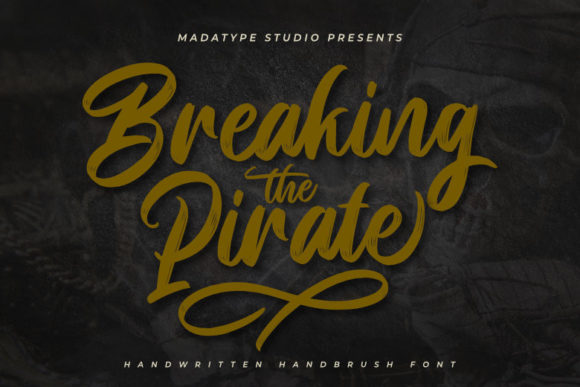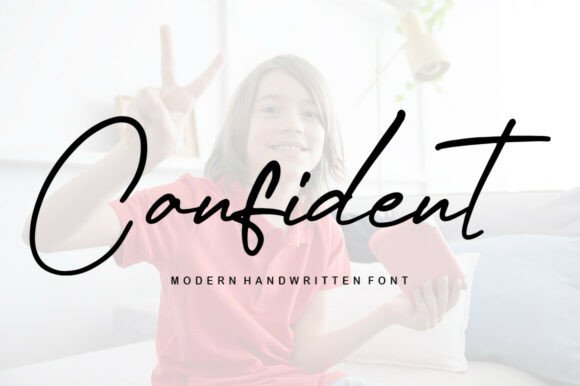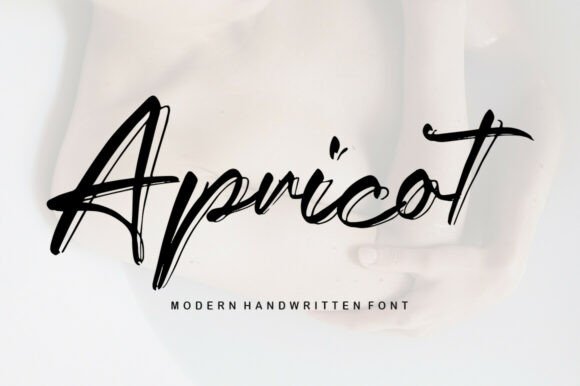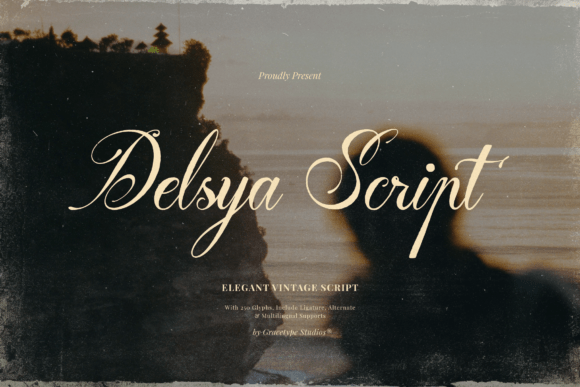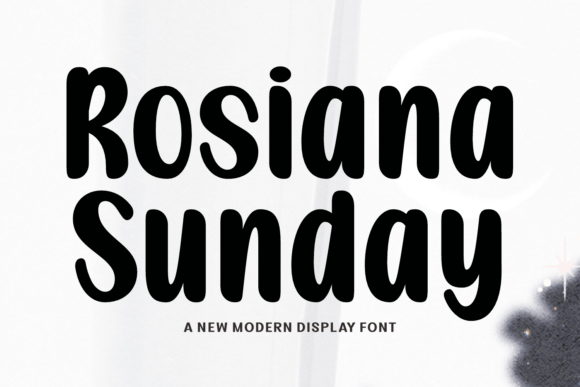
Rosiana Sunday: The Font Collection for Every Occasion
Have you ever scrolled through a font library, searching for that perfect typeface that feels both elegant for a wedding invite and playful enough for a school fundraiser? The hunt often ends in compromise, where you settle for a font that almost works but doesn't quite capture the multifaceted nature of your project or brand. This is the challenge that the Rosiana Sunday collection was designed to solve, offering a curated suite of typefaces that move fluidly between moods, themes, and design needs.
A Spectrum of Style for Seasonal and Thematic Design
The true strength of a collection like Rosiana Sunday lies in its versatility. Imagine designing a series of social media posts for a boutique. For Valentine's Day, you might use its romantic script to evoke warmth and affection. When Easter arrives, you can switch to a bouncy, handwritten style that feels fresh and celebratory. As summer ends and Halloween approaches, a darker, more dramatic display font from the same collection can set a ghostly, atmospheric tone. This ability to maintain a consistent brand voice while visually adapting to different seasons or campaigns is invaluable. It prevents your marketing materials from feeling disjointed and helps build a recognizable visual identity that audiences can connect with, no matter the holiday or promotion.
This adaptability extends beyond holidays. Consider a small business owner who runs a cozy bookstore. They could use a classic, sophisticated serif font from the collection for their main logo and website headers, conveying tradition and literary credibility. For a weekend children's story hour event, they might switch to a fun, rounded handwritten font on flyers and Instagram graphics to appeal directly to families. The same suite supports both identities without needing to source and license multiple unrelated typefaces, streamlining the design process and ensuring visual coherence across all touchpoints.
Practical Applications for Modern Creators
Let's break down how a versatile font collection integrates into real-world projects. For logo design, having a range of styles—from a refined signature font for a luxury brand to a bold sans serif for a tech startup—allows you to tailor the logo's personality precisely to the client's industry and values. In packaging design, a playful cute font can make a children's product inviting, while a clean modern typeface ensures product information on a gourmet food label is easily readable and upscale.
The digital space demands equal flexibility. For web design and blog layouts, pairing a highly readable serif or sans serif font for body text with a decorative script or display font for headings creates visual hierarchy and engages visitors. On social media graphics, where attention spans are short, a striking handwritten or bold display font can stop the scroll and communicate your message instantly. For entrepreneurs creating digital products like planners or e-books, the right font pairing enhances usability and gives the product a polished, professional feel that justifies its value.
Even traditional print materials benefit immensely. A wedding invitation suite using a connected calligraphy script feels deeply personal, while a poster for a community concert might use a contemporary technology font to feel energetic and current. The key is matching the font's personality to the project's goal: elegance, urgency, playfulness, or authority.
Choosing and Pairing Fonts with Purpose
With so many options at your fingertips, how do you choose without getting overwhelmed? Start by defining the core emotion or message of your project. Is it serious and professional, or fun and approachable? This initial filter will help you narrow down the font styles within the collection that align with your goal. For instance, a law firm's website would lean toward the distinguished serif or clean sans serif options, while a bakery's branding might embrace the sweet, handwritten styles.
Once you've selected a primary font, the next step is font pairing. A common and effective practice is to combine a more expressive display or script font for headings with a highly legible neutral font for body text. This creates contrast and guides the reader's eye. Test your pairings in context. Does the script font for your "Sale!" headline actually work next to the sans serif used for the product details? Check for readability, especially at smaller sizes on screens. A beautiful font is useless if people struggle to read it.
Take time to review all the styles included in a comprehensive suite. You might discover that a font you initially overlooked is perfect for a sub-header or a call-to-action button. Understanding the full range of your assets—whether it's a premium font with extensive ligatures or a simple display font—empowers you to make more creative and effective design choices. Also, always be clear on the commercial licensing included. Knowing that a font is licensed for logo use, merchandise, and digital ads provides peace of mind and protects your business or your client's business down the line.
Building a Cohesive Brand Identity
Consistency is the bedrock of strong branding. Using a unified font collection like Rosiana Sunday across all your materials—from your website and invoices to your social media bios and thank-you notes—builds recognition. When a customer sees your particular combination of a signature font for your logo and a modern sans serif for your communications, they start to associate that visual language with your business. It becomes a shortcut for trust and familiarity.
This consistency also elevates your professional presentation. It shows attention to detail and a commitment to quality, which can influence how potential customers perceive the value of your products or services. Whether you're a freelance graphic designer building a portfolio, a crafter selling on Etsy, or a startup founder establishing your first brand identity, investing in a thoughtful typographic foundation is a strategic move. It’s not just about making things look pretty; it’s about clear communication, emotional connection, and creating a memorable experience that resonates with your audience long after they've scrolled past your post or closed your brochure.