Apricot: The Handwritten Font That Feels Like a Warm Conversation
There’s a certain magic in a handwritten note. It feels personal, immediate, and full of character. In the world of digital design, capturing that authentic, human touch can be the key to creating a connection that cold, geometric typefaces sometimes miss. Enter a creative font like Apricot—a stylish handwritten option that bridges the gap between timeless calligraphic elegance and contemporary clean design. It’s not just a collection of letters; it’s a voice waiting to speak for your brand or project.
A Typeface with Timeless Charm and Modern Poise
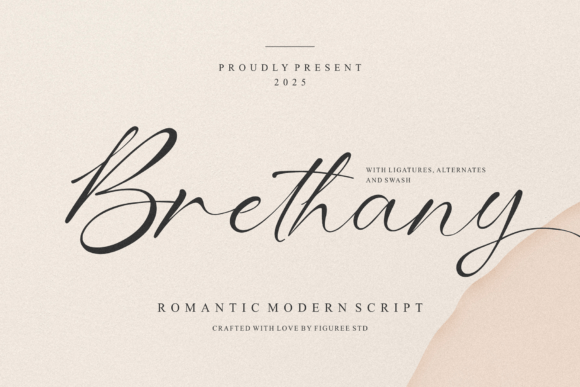
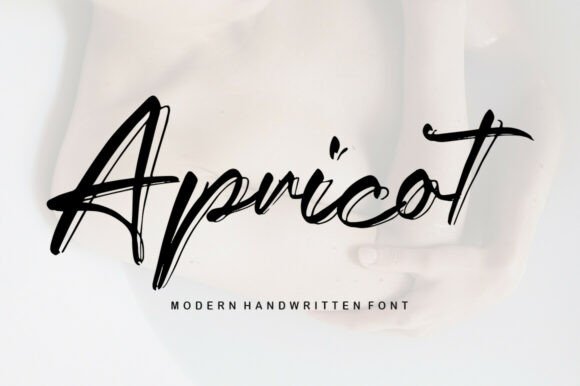
What makes a font like Apricot visually compelling is its careful balance. It draws inspiration from classic calligraphy, evident in its graceful letterforms and flowing connections, but it’s been refined for today’s aesthetic. The strokes feel confident and varied, avoiding the uniformity that can make some script fonts look artificial. This creates a natural rhythm, making text blocks feel more like a personal invitation than a corporate announcement. The overall atmosphere is one of sophisticated warmth—perfect for projects that aim to feel both premium and approachable.
For designers and creators, this balance is gold. It means you can use it for a high-end wedding invitation and it will look impeccably elegant, yet it won’t feel out of place on the label of an artisanal coffee brand or the header of a lifestyle blog. The key is in its impeccable form; each letter is crafted to be beautiful on its own and harmonious as part of a word or sentence.
From Brand Identity to Packaging: Where Apricot Truly Shines
The real test of any creative asset is its versatility. A great premium font needs to work across various mediums, from a tiny favicon on a browser tab to a large-scale poster. This is where a well-designed handwritten font proves its worth. Its character can instantly set a tone, making it a powerful tool for visual communication.
Consider its application in branding and logo design. A logo set in a font like Apricot can convey creativity, authenticity, and a personal touch. It’s particularly effective for businesses in the wellness, beauty, artisan food, boutique retail, or wedding industries. The font becomes a core part of the brand identity, repeated across business cards, letterheads, and digital assets to build recognition.
Beyond the logo, its utility extends seamlessly to:
- Packaging Design: Imagine a skincare bottle or a gourmet chocolate box with the product name flowing elegantly in Apricot. It adds a layer of craftsmanship and care that can make a product stand out on the shelf.
- Social Media Graphics: In the fast-scrolling world of Instagram or Pinterest, a unique font can be a thumb-stopper. Use it for quotes, announcements, or highlight covers to create a cohesive and visually engaging feed that strengthens your online presence.
- Web & Blog Design: Used strategically for headlines, pull quotes, or navigation menus, it can inject personality into a website without sacrificing readability for body text (which should always be a clean serif or sans serif font).
- Print & Marketing Materials: From event posters and sale flyers to thank-you cards and merchandise tags, Apricot adds a handcrafted quality that digital tools often lack, making printed items feel more special.
The Practical Side: Pairing, Readability, and Licensing
Using a display font like a script or handwritten style effectively requires a thoughtful approach. It’s the star of the show, but it needs supporting actors to create a full performance.
Font Pairing is Essential: Never set long paragraphs in a script font. Its beauty is in headlines and short bursts of text. Pair it with a highly readable serif or sans serif font for body copy. For example, Apricot’s flowing style pairs beautifully with a clean, modern sans serif like Montserrat or a classic serif like Lora. The contrast creates visual hierarchy and ensures your message is both beautiful and digestible.
Prioritize Readability: Always test your chosen font at the size it will be viewed. A font that looks stunning in a design mockup on your screen might become illegible when printed small on a business card or viewed on a mobile device. Check the clarity of key letters like ‘e’, ‘a’, and ‘s’.
Explore the Full Glyph Set: A major advantage of a PUA-encoded font like this one is access to a complete set of glyphs, including swashes, alternates, and ligatures. These are the flourishes and alternate letter shapes that can add unique flair. Don’t just type and go—explore your design software’s glyph panel (often found under "Type" > "Glyphs" in programs like Adobe Illustrator or Photoshop) to see what stylistic options are available to customize your text.
Understand the License: For any commercial project—whether it’s for a client, for sale, or for your own business—the font’s license must allow for that use. Most premium fonts come with a commercial license, but it’s your responsibility to read and understand the terms. This ensures you’re legally covered and respecting the work of the type designer.
More Than Just Letters: A Tool for Connection
Ultimately, choosing a typeface like Apricot is about choosing a tone of voice. It’s a design asset that helps tell a story of warmth, attention to detail, and creativity. For the small business owner, it can be the signature that makes their brand feel human. For the content creator, it’s the stylistic touch that makes their graphics uniquely theirs. For the designer, it’s another versatile brush in the toolkit for crafting compelling visual narratives.
In a landscape crowded with generic visuals, investing in a quality, character-driven font is an investment in clearer communication and stronger brand recognition. It’s about moving beyond just sharing information to creating an experience—one that feels as personal and considered as a handwritten letter tucked inside an envelope.