Steel Wall: The Bold Display Font That Commands Attention
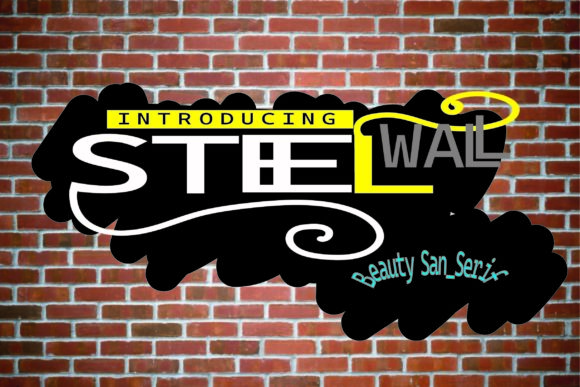
When your project demands visual authority, a typeface needs to do more than just spell out words. It needs to make a statement before a single line of copy is read. This is where a display font like Steel Wall enters the picture. It’s a bold, thick-lettered typeface engineered for impact, designed to stop a viewer in their tracks whether they’re scrolling through a social feed, walking past a poster, or examining a product on a shelf. But its power isn’t just in its heft; it’s in the details and the versatility that comes from being a PUA-encoded font, giving you a full toolkit of glyphs and swashes to customize your message.
Understanding the Visual Punch of a Heavyweight Typeface
Steel Wall isn’t a font for whispering. Its personality is assertive, confident, and unapologetically modern. The thick strokes and solid construction create a sense of stability and strength. This isn't the delicate script for a wedding invitation; it's the typeface for a brand that wants to project reliability, innovation, or raw power. Think of the logotypes for construction firms, fitness brands, tech startups with an edge, or music festivals. They often rely on this kind of typographic weight to establish an immediate, visceral connection with their audience.
The "display" classification is key here. Display fonts are designed for short, high-impact text—headlines, logos, banners—not for body copy. Trying to set a paragraph in Steel Wall would be visually overwhelming and difficult to read. Its role is to grab attention and set the tone, then hand off the detailed messaging to a more neutral companion font. This pairing strategy is fundamental to creating professional, readable designs. You might pair Steel Wall with a clean sans serif like Montserrat or a simple serif like Lora for a balanced and dynamic layout.
Practical Applications: Where Steel Wall Truly Shines
The true test of a creative font is its utility across different projects. Steel Wall’s bold nature makes it a workhorse for numerous applications where legibility at a glance and emotional resonance are paramount.
- Branding & Logo Design: This is its home turf. A logo set in Steel Wall communicates strength and presence instantly. It works exceptionally well for monograms or wordmarks where the letterforms themselves become the primary visual symbol. The added benefit of its PUA encoding means you can access stylistic alternates and swashes to craft a truly unique logo mark that stands out from competitors using standard fonts.
- Packaging Design: On a crowded shelf, packaging has about three seconds to make an impression. Use Steel Wall for the product name or key benefit statement on food packaging, beverage labels, or cosmetics. Its thick letterforms ensure readability even from a distance or in a low-resolution photo online.
- Posters & Event Graphics: Whether for a concert, a community event, or a sale, posters need to be legible from afar. Steel Wall commands the space, making event names and dates impossible to miss. The swashes can add a dynamic flair to dates or special offer callouts.
- Social Media Graphics: In the endless scroll, a bold headline is your best weapon. Use it for Instagram story titles, YouTube thumbnail text, or Facebook ad headlines. Its visual weight helps your content stand out in a feed, increasing the chance of engagement.
- Web Design & Blogs: As a hero section headline font, Steel Wall can set the entire mood for a website. It’s particularly effective for brands in the fitness, automotive, gaming, or outdoor adventure spaces. For blogs, it can be used for compelling post titles that draw readers in.
- Merchandise & Apparel: T-shirts, hats, and tote bags thrive on bold statements. Steel Wall is perfect for typography-driven apparel designs where the message is the graphic. Its robustness ensures it looks great on both fabric and screen.
- Marketing Collateral: From brochure covers to email newsletter headers and digital ad banners, this typeface injects energy and professionalism into any marketing asset. It helps maintain visual consistency across campaigns, strengthening brand recognition.
Integrating Steel Wall Into Your Design Workflow
Adopting a new display font is more than just a download. To use it effectively, consider how it aligns with your project's goals and existing visual language.
Start with Your Brand’s Voice. Does your brand personality lean towards being rugged, innovative, authoritative, or energetic? Steel Wall aligns well with these attributes. If your brand is more whimsical, traditional, or luxury-elegant, you might need to explore serif fonts or script fonts instead. The font should amplify your message, not contradict it.
Master the Art of Font Pairing. As mentioned, balance is everything. A practical exercise: set your headline in Steel Wall, then try it with three different body text options. See which combination feels most cohesive and readable. The contrast between the bold display font and the simpler body font creates a visual hierarchy that guides the reader’s eye naturally.
Leverage the Glyphs and Swashes. This is where the PUA encoding becomes your secret weapon. Don’t just type with the default letters. Open the glyphs panel in your design software (like Adobe Illustrator, Photoshop, or Affinity Designer) to explore the full character set. You might find a unique “A” with a crossbar, a “W” with a distinctive shape, or decorative swashes that can turn a simple word into a logo. This level of customization is what separates generic design from polished, professional work.
Always Prioritize Readability. Even with a bold font, context matters. Ensure there is sufficient contrast between the text color and the background. For digital screens, avoid setting it in very small sizes. For print, consider the material—will the ink bleed? Test your designs at the intended size and medium.
Check Your License. If you’re using Steel Wall for a client project, a product you sell, or merchandise, confirm the font license covers commercial use. Most premium fonts have clear licensing tiers. Understanding this upfront prevents legal headaches down the line and is a mark of a professional designer or business owner.
Beyond the Obvious: Unconventional Uses for a Bold Font
While the applications listed above are standard, creative professionals often find innovative ways to use their design assets. Consider using Steel Wall for:
- Digital Product Design: Use it for the title screens or key interface elements of a mobile app or a software tool, especially if the product relates to productivity, fitness, or gaming.
- Editorial Layouts: In magazines or lookbooks, it can create dramatic pull quotes or section headers that break up long-form content and add visual interest.
- Invitations & Announcements: For a grand opening, a product launch, or a milestone celebration, a bold font sets a confident and exciting tone from the start.
- Signage & Environmental Graphics: Think wayfinding in a modern office, a gym, or a retail store. Its clarity and strength make it functional and stylish.
The key is to view Steel Wall not just as letters, but as a design element with its own texture and weight. It can be used to create borders, patterns, or standalone graphic elements that reinforce a brand’s visual identity. By exploring its full character set and understanding its inherent personality, you can move beyond simply using a font to strategically deploying a powerful tool for visual communication. It’s an asset that, when used thoughtfully, can elevate the professionalism and impact of nearly any creative project, helping you connect more effectively with your target audience and make your message unmistakably clear.