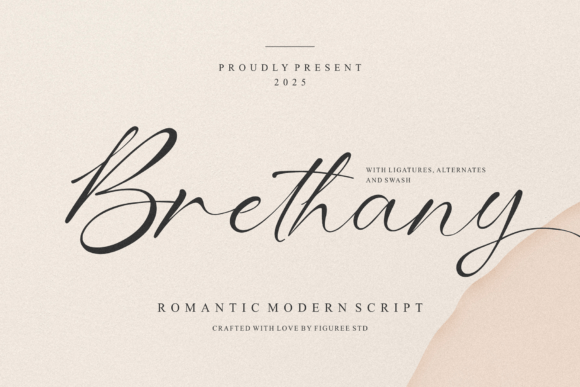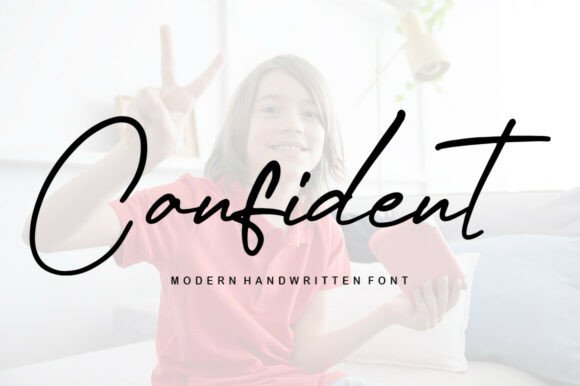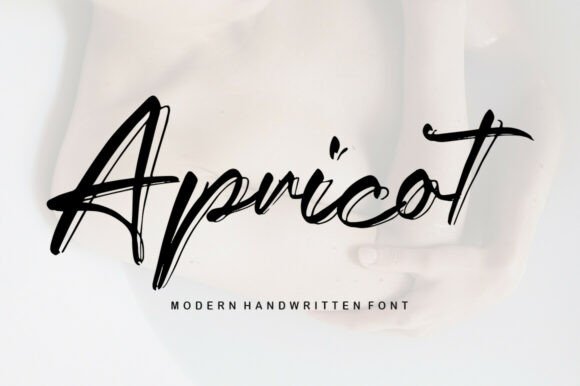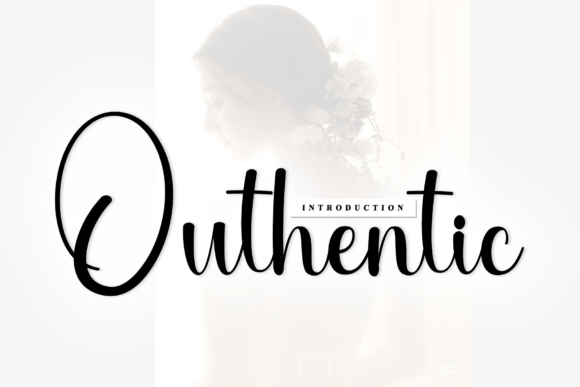
Breaking Pirate: A Script Font That Adds Sophistication to Any Project
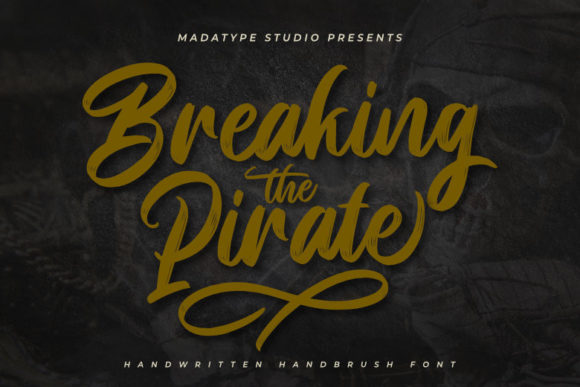
There's a moment in every creative project when the typography either elevates the entire design or falls flat. You've spent hours perfecting your color palette, arranging your layout, and refining your message—then you reach for a font that feels generic, uninspired, or mismatched. That's where a typeface like Breaking Pirate steps in, offering a brushed script style that carries both personality and polish without overwhelming your visual composition.
What makes this particular font stand out in a crowded marketplace of script typefaces is its balance between expressive letterforms and refined execution. The brushed texture gives each character a handcrafted warmth, while the overall consistency across glyphs ensures it reads clearly at various sizes. It's not trying too hard to be edgy or overly decorative—it simply delivers elegance with a confident, modern sensibility.
Where This Script Font Truly Shines
Think about the brands and products that catch your eye on a shelf or in your social media feed. Often, the typography plays a quiet but powerful role in shaping your first impression. A chic, sophisticated script can signal quality, creativity, and attention to detail before a single word of copy is read.
For logo design, Breaking Pirate offers that hand-lettered aesthetic many businesses crave without the inconsistency that sometimes comes with custom calligraphy. Whether you're designing for a boutique bakery, a lifestyle brand, a wedding photographer, or a specialty coffee shop, this typeface brings an artisanal feel that resonates with audiences who value authenticity and craftsmanship.
Packaging designers will appreciate how the stylish alternates and ligatures allow for subtle customization. When you're working on product labels, box designs, or shopping bags, having access to multiple glyph variations means you can avoid repetitive letter combinations that look mechanical. Instead, each word can flow naturally, mimicking the organic rhythm of genuine hand lettering.
Social media graphics are another area where this font earns its place in your design toolkit. Instagram posts, Pinterest pins, and Facebook headers all demand typography that stops the scroll. A brushed script with sophisticated character styling creates visual interest that plain sans serif fonts simply can't match. Pair it with a clean, minimal typeface for body text, and you've got a combination that looks intentional and professionally designed.
Pairing Typography for Maximum Impact
One of the most practical skills any designer or content creator can develop is understanding how to pair fonts effectively. Script typefaces like Breaking Pirate work beautifully alongside sans serif fonts and serif fonts that have a more structured, geometric quality. The contrast between the flowing, organic script and the clean lines of a modern sans serif creates visual hierarchy that guides the reader's eye exactly where you want it.
For example, imagine a wedding invitation where the couple's names appear in an elegant brushed script while the event details sit in a lightweight sans serif. The script draws attention to the most important element—the names—while the supporting typeface ensures the date, time, and venue remain easy to read. This principle applies equally to editorial design, restaurant menus, product hang tags, and website hero sections.
When testing font pairings, try setting your headline or featured text in Breaking Pirate and your paragraphs in a complementary typeface. Read the combination at multiple sizes—on screen and in print if possible. Check that the script doesn't compete with or overshadow the supporting text. Good pairing feels effortless, as though the fonts were always meant to work together.
Practical Applications Across Industries
The versatility of a well-crafted script font extends far beyond traditional design work. Here are some real-world scenarios where this typeface can add genuine value:
- Small business branding: Craft a cohesive brand identity by using the script for your primary logo mark and extending it across business cards, letterheads, and signage.
- Digital products: If you sell planners, worksheets, or digital downloads on platforms like Etsy or Creative Market, incorporating a premium font into your designs instantly elevates perceived value.
- Blog headers and featured images: Content creators can use script typography to add personality to post titles, pull quotes, and graphic overlays without relying on stock templates.
- Merchandise design: T-shirts, tote bags, mugs, and stickers benefit enormously from typefaces that feel personal and handcrafted rather than mass-produced.
- Event invitations: From birthday parties to corporate galas, a sophisticated script sets the tone before guests even open the envelope.
- Marketing assets: Email headers, promotional banners, and sale announcements gain a polished, professional edge when styled with intentional typography.
For web design, consider using this script font sparingly—perhaps for section headings, call-to-action text, or decorative accents. Overusing a display font on websites can hurt readability and slow down page performance. Strategic placement ensures you capture the font's visual charm without sacrificing user experience.
Readability and Licensing: What to Know Before You Commit
Every creative font comes with considerations worth addressing before you integrate it into your workflow. Readability is the first checkpoint. While Breaking Pirate's brushed style maintains legibility better than many script alternatives, it's still best suited for headlines, short phrases, and display purposes rather than long-form body copy. Reserve it for moments where visual impact matters most, and let a more neutral typeface handle the heavy lifting of paragraphs and product descriptions.
Size also matters. Test the font at the actual dimensions you plan to use. A script that looks gorgeous at 72 pixels might lose definition at 18 pixels, especially on lower-resolution screens. Print testing is equally important—what reads beautifully on your monitor might blur slightly on certain paper stocks or printing methods.
Licensing is another practical detail that deserves attention. If you're working on commercial projects—selling products, creating client deliverables, or distributing marketing materials—confirm that the font license covers your intended use. Many premium fonts offer both personal and commercial licenses, and the terms can vary significantly. Some licenses cover unlimited projects; others restrict usage to a specific number of end products. Reading the fine print upfront saves headaches later, especially if your work gains traction and scales beyond initial expectations.
Take time to explore the full character set and any included alternates, ligatures, or stylistic variations. These features are often underutilized, yet they're precisely what give your designs a custom, bespoke quality. Swapping a standard lowercase "a" for an alternate version or enabling contextual ligatures can transform a simple wordmark into something that feels genuinely handcrafted.
Ultimately, choosing the right creative font comes down to alignment—does the typeface reflect the mood, values, and audience of the project at hand? Breaking Pirate answers that question confidently for anyone seeking a script that balances sophistication with approachability, making it a worthy addition to any designer's collection of design assets.