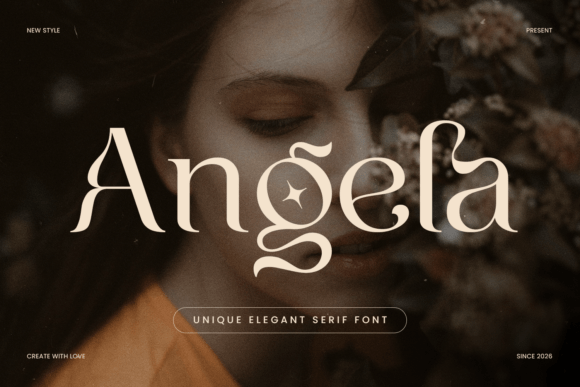
Angela: A Font That Feels Like a Handwritten Letter from a Stylish Friend
Imagine you're designing a brand for a boutique candle company. You've got the scent profiles nailed down—bergamot and sage, vanilla and smoked cedar—but the visual identity feels... generic. The packaging needs to whisper luxury, not shout it. This is where a typeface like Angela enters the picture. It’s not just a font; it’s a mood, a texture, a silent ambassador for a brand’s personality. For designers and entrepreneurs who understand that typography is the clothing their message wears, choosing the right typeface is a critical decision. It can bridge the gap between a product that sits on a shelf and one that gets picked up, examined, and ultimately purchased.
More Than Curves and Ligatures: The Visual Soul of Angela
At first glance, Angela presents itself as a stylish, elegant luxury font. Its characters are built on beautiful, flowing curves and distinctive ligatures—the connections between letters that give script and display fonts their unique rhythm. But its true value lies in its balanced personality. It avoids the extremes of being overly formal or casually messy. Instead, it occupies a sweet spot: refined yet approachable, expressive yet clear. This harmony makes it a powerful tool. Each letter carries a subtle charm, a personality that feels carefully crafted rather than algorithmically generated. The result is typography that doesn’t just convey words but evokes a feeling of warmth, sophistication, and artistry. It’s a premium font designed for projects where first impressions are paramount.
Where Angela Shines: From Branding to Bespoke Crafts
The practical applications for a font with Angela’s character are vast, spanning digital and physical realms. Its fashionable style makes it a natural fit for industries where aesthetics are part of the product itself.
For the Brand Builder and Entrepreneur
Consider its role in logo design and brand identity. A logo set in Angela can immediately communicate elegance and attention to detail, perfect for a high-end skincare line, a boutique consulting firm, or a artisanal bakery. On packaging, it transforms a simple label into an invitation. Think of a packaging label design for a gourmet tea or a scented soap; the font’s graceful letterforms add perceived value before the product is even used. For social media graphics and web design, it helps create a cohesive and memorable visual language. A blog header, an Instagram quote graphic, or a website hero section using Angela can establish a distinct tone that resonates with a target audience seeking quality and style.
For the Creative Professional and Publisher
In editorial design and print materials, Angela excels at creating hierarchy and focus. It’s ideal for magazine headlines, pull quotes in a feature article, or the title of a poster. Its legibility at larger sizes ensures it makes an impact without sacrificing clarity. For digital products like e-books, planners, or online course materials, it adds a layer of professionalism and visual interest that enhances the user experience. The font’s versatility also extends to marketing assets—think email newsletter headers, promotional flyers, or event invitations that need to feel special and curated.
For the Crafter and Hobbyist
Beyond commercial applications, Angela’s charm is equally at home in personal and creative crafts. It’s a superb choice for wedding invitations, where its elegance sets a romantic and sophisticated tone. It shines on birthday cards, Easter designs, and seasonal projects for Thanksgiving or Christmas, bringing a handmade yet polished feel. For enthusiasts using tools like Cricut, its smooth strokes and clear letterforms translate beautifully to vinyl decals, custom embroidery patterns, and lettering art. The font’s inherent warmth and beauty help turn a handmade gift or a decorative project into something truly memorable.
Choosing and Using Angela with Purpose
Integrating a new font into your toolkit is about more than just downloading files. To use Angela effectively, consider these practical steps:
- Match the Font to the Goal: Before selecting Angela, define your project’s core message. Is it luxury? Creativity? Friendliness? Angela’s personality leans toward sophistication and charm. Use it where that tone aligns with your objectives, such as a logo for a fashion brand or an invitation for a formal event. For technical manuals or dense body text, a more neutral sans serif font or serif font would be a better companion.
- Master the Art of Font Pairing: A display font like Angela rarely works alone. The key to professional typography is pairing it with a complementary typeface. For body text, choose a highly readable sans serif or a classic serif font that doesn’t compete for attention. For example, pair Angela with a clean sans-serif like Montserrat or a traditional serif like Lora. Test your pairings at different sizes to ensure visual harmony.
- Prioritize Readability: While Angela is designed for clarity, its expressive nature means context matters. It’s perfect for headlines, logos, and short phrases. Avoid using it for long paragraphs of small text, where its details might become hard to parse. Always view your designs at the intended size—whether on a phone screen or a printed poster—to confirm readability.
- Explore What’s Included: The Angela font package typically includes multiple file formats (OTF, TTF, WOFF) to ensure compatibility across design software, websites, and cutting machines. Review the full character set to see available ligatures, alternates, and special characters. These extras can add unique flair to a logo or monogram.
- Understand Commercial Licensing: If you plan to use Angela for client work, merchandise, or products for sale, verify the licensing terms. Most premium fonts require a commercial license for these uses. Ensure the license covers your intended application, whether it’s for a single client project or unlimited commercial use.
Ultimately, a font like Angela is a design asset—a tool in your creative arsenal. Its power lies not in being used everywhere, but in being used thoughtfully. It’s for the moment when a project needs a touch of personality, a dash of elegance, and a voice that feels both unique and familiar. By aligning its strengths with your project’s needs and pairing it wisely, you can create modern typography that doesn’t just look good, but feels right, helping your work connect and leave a lasting impression.