Classy Fine: The Serif Font for Timeless Luxury Branding
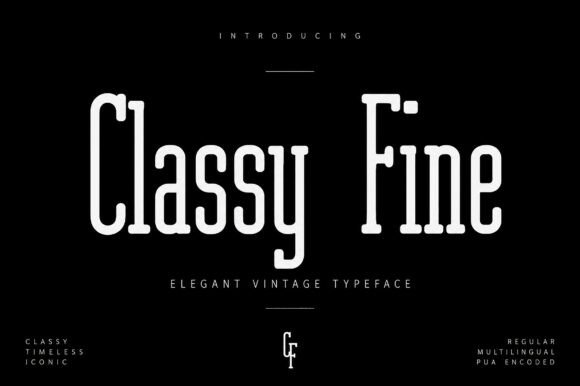
There’s a particular kind of visual language that whispers wealth, heritage, and impeccable taste. It’s not loud, not overly ornate, but it carries an undeniable weight of sophistication. You see it in the mastheads of high-fashion magazines, on the labels of artisanal perfumes, and in the branding of exclusive boutique hotels. This language is often written in a specific typeface—one that balances classic form with modern grace. Enter Classy Fine, a condensed serif display font designed to speak this fluent language of elegance.
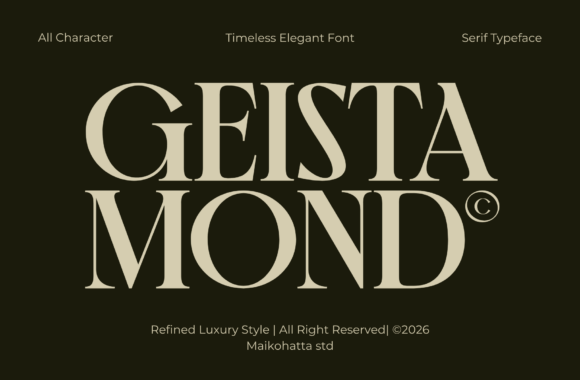
Inspired by the timeless letterforms of vintage typography, Classy Fine takes the best elements of classic design and refines them for contemporary use. Its tall, lean structure gives it a commanding yet airy presence on the page or screen. The intricate details in its serifs—the small strokes at the ends of letters—are crafted with precision, adding a layer of delicate artistry without sacrificing clarity. This is a font that doesn’t just display words; it curates an experience. The bold structural lines provide a solid foundation, ensuring that each character feels substantial and intentional, which is crucial for making a lasting impression in logo design and brand identity.
Where Heritage Meets Modern Design Needs
The true test of a premium font is its versatility. A typeface that only works in one narrow context has limited value. Classy Fine, however, demonstrates a remarkable adaptability across a wide spectrum of creative projects. Its core personality—luxurious, refined, and confident—makes it a natural fit for high-end branding. Imagine it on the foil-stamped logo of a jewelry brand, where its sharp serifs catch the light, or on the packaging for a gourmet chocolate box, instantly communicating quality and care. It’s the kind of typeface that elevates a simple wordmark into a memorable symbol.
Beyond static branding, Classy Fine excels in dynamic applications. For social media graphics, it can create a cohesive and upscale aesthetic that makes a brand’s feed look curated and professional. A quote card or promotional announcement set in this serif font gains immediate gravitas. For websites and blogs, it’s particularly effective in headlines and pull quotes, guiding the reader’s eye and establishing a tone of authority and style. When used in editorial design, such as magazine layouts or book covers, it contributes to a fluent and engaging reading experience, blending beautifully with body text set in a complementary sans serif or script font.
Practical Applications for Creators and Businesses
Let’s break down how different professionals can harness this creative font. For entrepreneurs and small business owners developing a brand identity, choosing a typeface like Classy Fine is a strategic decision. It sets a foundational tone before a single word of copy is written. Pair it with a clean sans serif for body text, and you have a balanced, professional typographic system that communicates consistency across your website, business cards, and packaging design.
Designers and content creators will find it invaluable for projects requiring a touch of sophistication. Consider these uses:
- Wedding Invitations & Event Stationery: Its graceful allure is perfect for setting an elegant tone for special events.
- Poster and Book Cover Design: The tall letterforms make for compelling headlines that demand attention.
- Digital Products and Marketing Assets: Use it for eBook covers, course graphics, or email newsletter headers to enhance perceived value.
- Merchandise: Think embossed leather journals, etched glassware, or high-quality apparel tags where font detail is appreciated.
The key is to match the font’s personality to your project’s goals. A boutique clothing label aiming for a vintage-inspired, artisanal feel would use Classy Fine differently than a modern architecture firm. The former might use it in all caps for a bold logo, while the latter might opt for the mixed-case setting for a more understated, contemporary headline.
Integrating Classy Fine into Your Typographic Toolkit
Adopting a new typeface into your workflow involves more than just liking how it looks. Practical considerations ensure it works effectively for you. First, always review the full character set and included styles. Check for essential features like numerals, punctuation, and any stylistic alternates that can add unique flair to your designs. Understanding the full scope of the font family allows for more creative and nuanced typography.
Font pairing is a critical skill. Classy Fine’s condensed serif nature pairs wonderfully with a variety of other typefaces. For a harmonious contrast, try it with a simple, geometric sans serif. For a more dramatic pairing, a flowing script font can complement its structured elegance, especially for invitations or luxury branding. Always test your pairings in context—see how they interact at different sizes and on different backgrounds to ensure readability. A beautiful font loses its power if it’s difficult to read.
Finally, never overlook commercial licensing. If you’re using Classy Fine for a client project, a business logo, or any commercial merchandise, you must ensure you have the correct license. Most premium fonts offer different tiers (desktop, web, app, etc.). Purchasing the appropriate license is not only legally necessary but also supports the type designers who create these essential design assets. It’s a professional practice that protects your work and your client’s investment.
In the end, typography is a powerful tool for visual storytelling. A font like Classy Fine offers more than just letters; it offers a voice—a voice that speaks of quality, timelessness, and deliberate design. By understanding its strengths and integrating it thoughtfully, you can create work that doesn’t just look good, but feels genuinely refined. It’s about choosing a typeface that doesn’t just occupy space, but enriches it, helping your projects communicate with clarity and class from the very first glance.