The Casual Sophistication of Elegant Handwriting
There’s a particular quality to handwritten text that instantly softens a digital space. It feels approachable, authentic, and quietly confident. This is the space that Elegant Handwriting occupies so well. It’s a typeface designed to bring a human, marker-pen quality to modern layouts without sacrificing the clean, organized look that contemporary design demands. Think of it as the font equivalent of a beautifully hand-lettered note on premium stationery—it carries personality and warmth, but its structure is deliberate and refined.
A Typeface Built for Clarity and Flow
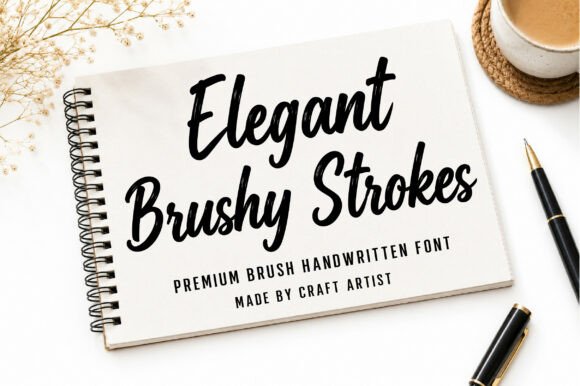
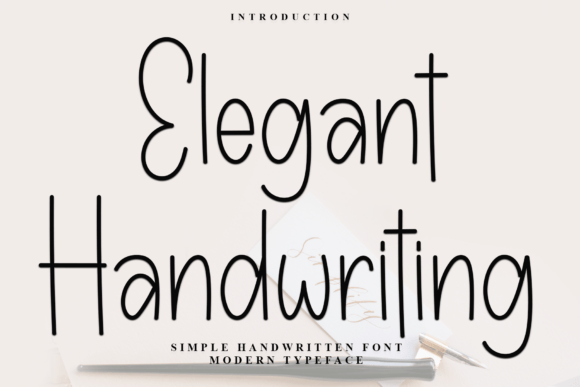
What makes this handwritten font feel both expressive and controlled? Its visual design is a study in balance. The elongated, vertical stems give the letterforms an elegant, airy presence on the page, while the wide-set loops in letters like 'e', 'l', and 'h' add a touch of playful rhythm. Crucially, the consistent monoline stroke width is a practical masterstroke. It ensures that when you set a paragraph or a block of text, the result is surprisingly neat and easy to read. This isn't a wild, scratchy script; it's engineered for real-world use.
The high-clarity curves and generous tracking—the space between characters—mean that text remains legible even at smaller sizes or when layered over a busy background. This makes it a versatile tool for designers who need a creative font that doesn’t compromise on function. It’s the kind of typeface that works as hard as you do, whether you’re setting a headline or a subheading.
Where This Font Truly Shines: Practical Applications
Understanding a font's personality is one thing; knowing exactly where to deploy it is where the real value lies. Elegant Handwriting excels in projects that aim for a blend of authenticity and polished presentation. Its strength is in adding that intimate, human touch to otherwise sterile digital or print layouts.
Consider its role in brand identity and logo design. For a boutique, a lifestyle coach, a florist, or a artisanal food brand, this typeface can form the core of a logo that feels personal and trustworthy. It communicates care and craftsmanship without appearing amateurish. Paired with a clean sans serif font for body text, it creates a dynamic and professional font pairing that guides the viewer's eye.
In packaging design, especially for products targeting a thoughtful audience—think handmade soaps, gourmet goods, or stationery—it elevates the label from mere information to part of the product experience. The text becomes an invitation, not just a descriptor.
For digital creators, the applications are equally rich. It’s an outstanding choice for social media graphics, particularly quote posts, Instagram stories, or Pinterest pins where you want the text itself to be the visual hook. On a website or blog, it can be used strategically for headers, pull quotes, or author bios to break the monotony of standard web fonts and inject personality. Layer it over soft textures, flat-lays of calligraphy pens, or neutral backgrounds for maximum effect.
Don’t overlook print materials and editorial design. It brings a lovely, curated feel to wedding stationery, event invitations, and thank you cards. In a magazine layout or a book cover, it can add a layer of poetic sophistication. For marketing assets like email headers or PDF guides, it helps maintain a consistent brand voice that feels approachable and creative.
Making It Work: Tips for Integration and Pairing
Adopting a new typeface into your toolkit is about more than just liking how it looks in isolation. It’s about how it functions within your specific design ecosystem. Here’s some practical guidance for using a premium font like this effectively.
Test for Context, Not Just Aesthetics. Always view your chosen font in the environment it will live in. A header that looks stunning on a white mockup might get lost on a textured blog background. Set sample text at the actual size you’ll use and on the actual background color or image. Check its readability on both desktop and mobile screens.
Master the Art of the Font Pairing. Elegant Handwriting, with its distinct personality, works best when balanced with a more neutral companion. A sturdy sans serif font like Open Sans or Lato makes an excellent partner for body text, ensuring long passages remain easy to read. For a more classic feel, pairing it with a simple serif font can create a beautiful contrast between the organic and the structured. The key is to let one font lead and the other support.
Leverage the Included Styles. Many commercial fonts come with more than one style. Check if Elegant Handwriting includes a bold or italic variant. Using these for emphasis instead of defaulting to the software’s faux-bold can make your typography look more professional and intentional.
Consider the Licensing. If you’re using this for commercial projects—client work, products for sale, or business marketing—ensure you have the correct license. A desktop license for a premium font is an investment in your brand’s professionalism and legal security. It’s a small detail that speaks volumes about your commitment to quality.
Ultimately, the best typography choices are those that serve the project’s goal. Elegant Handwriting isn’t for every situation, but where a design calls for warmth, clarity, and a touch of casual grace, it proves to be an exceptionally valuable and versatile design asset. It’s a reminder that the most effective communication often feels the most personal.