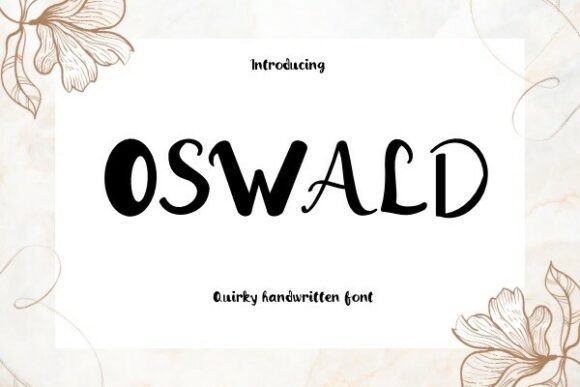
Introducing Oswald: A Handwritten Font with Real Character
There's a specific kind of flatness that creeps into design when everything looks too polished. You've seen it—a social media graphic that feels sterile, a logo that's technically fine but forgettable, a poster that lacks any human spark. The problem often isn't the layout or the colors; it's the typography. Fonts that are overly geometric or perfectly uniform can strip the warmth and personality right out of a project. That's where a typeface with genuine character, like Oswald, changes the game. It’s not just another script; it’s a crafted handwritten font designed to inject life and authenticity into your work.
More Than Just a Script: The Visual Soul of Oswald
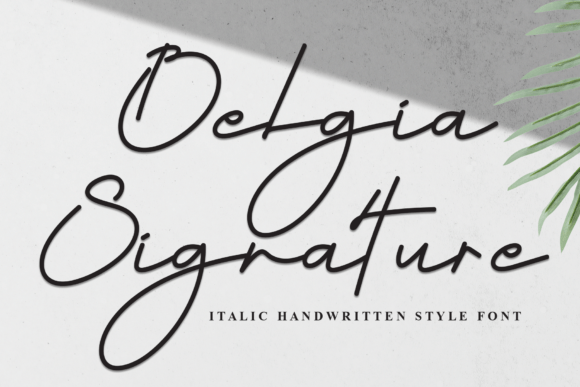
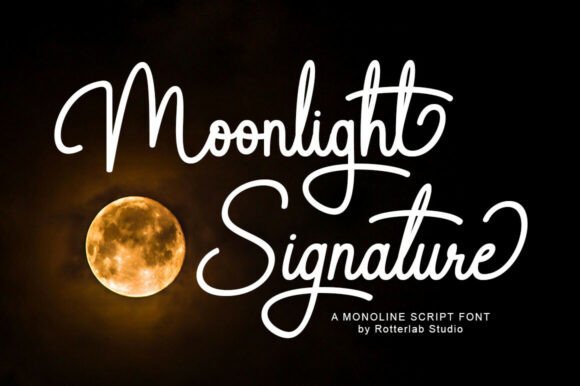
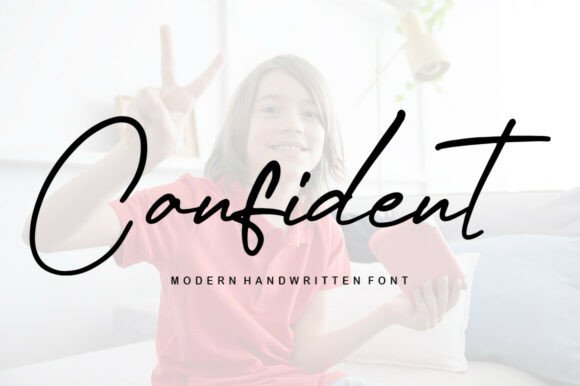
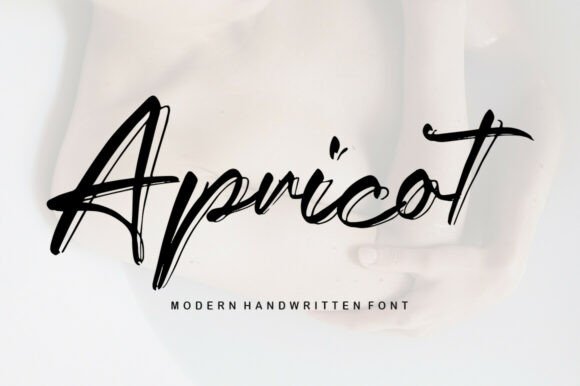
At its core, Oswald is a handwritten font that balances expressiveness with legibility. Unlike fonts that mimic frantic scribbles or overly formal calligraphy, it feels like the natural writing of a confident hand. You'll notice subtle variations in the stroke width and letter connections that give it an organic, authentic rhythm. It's a display font with personality, meaning it’s built to be seen and to make an impression, not to disappear into body text. This typeface sits in a sweet spot: it’s casual enough to feel approachable, yet its structure is clear enough to maintain professionalism. Think of it as the font equivalent of a well-worn leather journal—distinctive, full of character, and surprisingly versatile.
Where Oswald Truly Shines: Practical Applications
The true test of any creative font is how it performs in the real world. Oswald isn't just for designers to admire; it's a workhorse for a variety of projects where a personal touch is needed.
For brand identity, especially for small businesses, artisans, or personal brands, Oswald can become a cornerstone. Imagine it on a bakery's logo, a boutique clothing tag, or the header of a handmade soap company's website. It communicates care and craftsmanship instantly. In packaging design, it can highlight a "Made With Love" tagline or a product's key feature, making the unboxing experience feel more personal.
In the digital realm, this modern typography choice elevates social media graphics. Use it for quote cards, Instagram story headers, or Pinterest pins to stop the scroll. It adds a layer of human engagement that sterile sans-serifs often miss. For web design, it works beautifully in hero sections, call-to-action buttons, or as a accent font for headings, provided it's paired with a highly readable body font.
The applications extend into print and merchandise. Oswald is perfect for greeting card designs, wedding invitations, and thank-you notes, where a handwritten feel is essential. On posters, it can convey energy and immediacy. For merchandise like t-shirts, hats, and mugs, it offers a distinct style that stands out from generic printed apparel. Even in editorial layouts for magazines or blogs, it can be used for pull quotes or section headers to add visual interest.
Integrating Oswald into Your Design Workflow
Adopting a new font like Oswald is about more than just liking how it looks. It's about understanding how it can serve your project's goals and fit into your existing toolkit.
First, consider font pairing. Oswald, as a script font, generally pairs best with clean, simple sans-serif or serif fonts for body text. A pairing like Oswald for headings and a classic sans-serif like Open Sans or Lato for paragraphs creates a harmonious contrast—personality meets readability. Always test your pairings in context. Does the handwritten heading still feel clear when placed above a block of text? Does it complement or clash with your other design elements?
Next, think about readability considerations. While Oswald is designed for clarity, handwritten fonts are best used for short bursts of text: headlines, subheadings, labels, and accents. Avoid setting long paragraphs in it, as this can strain the reader's eye. Its strength is in drawing attention and conveying tone, not in sustained reading.
Before committing, take time to review the included font styles. A quality premium font like Oswald often comes with multiple weights, stylistic alternates, or even swashes. These extras are what allow you to customize the look further—maybe using a more flowing alternate letter for a special initial in a logo. Finally, always understand the commercial licensing. For any project that will be sold or used for client work, ensure you have the correct license. This is a non-negotiable part of using any design asset professionally.
Building Recognition with a Distinctive Voice
Consistency is the bedrock of strong branding and professional design. When you select a font like Oswald as part of your brand's visual language, you're making a choice for visual consistency across all touchpoints. Using the same distinctive typeface on your website, your social media templates, your business cards, and your packaging creates a cohesive look that audiences begin to recognize subconsciously. This repetition builds brand recognition.
A unique font also contributes directly to professional presentation. It shows intentionality. It tells your audience that you've paid attention to the details, which can foster greater trust and audience engagement. People connect with brands and designs that feel human and authentic. A thoughtfully chosen handwritten font is a direct line to that feeling. It’s a tool that helps you stand out in a crowded market, not by shouting the loudest, but by speaking with a clear, memorable, and human voice. Whether you're a designer crafting a logo, a marketer creating social media graphics, or an entrepreneur building a brand identity, Oswald offers that rare combination of charm and utility, ready to bring your next project to life.