Vintage Bloom: Crafting Warmth and Character in Modern Design
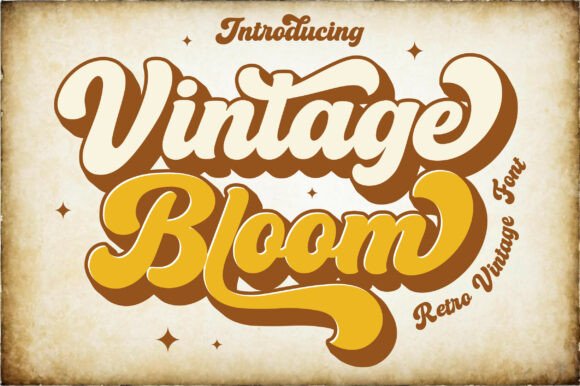
There's a particular kind of warmth that radiates from a well-crafted vintage script. It evokes handwritten letters from decades past, hand-painted shop signs, and the careful craftsmanship of a bygone era. Vintage Bloom captures that feeling beautifully—a bold, elegant retro vintage script font that balances nostalgia with contemporary design needs. Its smooth curves and playful flow make it more than just a typeface; it's a design tool that brings personality and emotion to projects ranging from brand identities to wedding invitations.
For designers, small business owners, and creative professionals searching for a font that communicates authenticity and charm, understanding how to use a display font like this one effectively can transform the way audiences perceive your work.
The Visual Personality Behind the Typeface
What sets Vintage Bloom apart from the hundreds of script fonts available today is its deliberate sense of character. The letterforms carry a retro vintage aesthetic without feeling dated or overdone. Each character flows into the next with a natural rhythm, mimicking the organic movement of hand lettering while maintaining the consistency required for professional applications.
The bold weight gives it presence. Unlike delicate thin scripts that can disappear on busy backgrounds or lose definition at smaller sizes, this font holds its own. It commands attention on a T-shirt, anchors a logo, and adds visual interest to packaging without requiring additional design elements to prop it up. The smooth curves soften the boldness, preventing it from feeling aggressive or heavy-handed. This balance is what makes it versatile enough for both playful and sophisticated projects.
Think about the last time a piece of packaging or a social media graphic caught your eye. Chances are, the typography played a significant role. Fonts carry emotional weight, and Vintage Bloom leans into a feeling of warmth, creativity, and timelessness that resonates across generations.
Where This Font Truly Shines
Understanding the practical applications of a creative font like Vintage Bloom helps you make smarter design decisions. Here are some of the most effective ways to put it to work:
- Logo design and brand identity: For businesses that want to project warmth, authenticity, or a handcrafted feel, this typeface works beautifully as a primary logo font or as a secondary script element paired with a clean sans serif font. Coffee roasters, bakeries, boutique clothing brands, and artisan product lines often benefit from this kind of typographic personality.
- Packaging design: Product labels, box designs, and wrapping materials gain an artisanal quality when set in a vintage-inspired script. It signals to customers that care and attention went into the product itself.
- Invitations and event materials: Wedding invitations, party announcements, and event posters benefit enormously from a font with this kind of elegance. It sets the tone before guests even read the details.
- Social media graphics: In a feed crowded with generic sans serif text overlays, a distinctive script font can stop the scroll. Instagram quotes, sale announcements, and story highlights all gain personality.
- Merchandise and apparel: T-shirt designs, tote bags, and sticker packs thrive on bold, readable display fonts. Vintage Bloom's weight and flow make it a strong candidate for print-on-demand products.
- Website headers and blogs: While body text on websites should prioritize readability with a clean serif or sans serif font, headers and hero sections benefit from a script typeface that draws visitors in and communicates brand personality immediately.
- Editorial layouts and print materials: Magazine covers, book chapter headings, and menu designs can use this font to add a layer of visual storytelling that plain text simply cannot achieve.
- Marketing assets: Flyers, email headers, digital ads, and promotional materials all benefit from typography that stands out without relying on excessive graphics or color.
Matching Typography to Your Project Goals
Choosing the right font style for a project is rarely about personal preference alone. It requires thinking about what you want the audience to feel and how the typography supports the broader design strategy. A premium font like Vintage Bloom works best when the project calls for emotional connection, nostalgia, or a handcrafted aesthetic.
Before committing to any display font, consider the context. A vintage script font might be perfect for a logo but overwhelming for an entire website layout. Similarly, it could elevate a poster headline while making a business card feel cluttered. The key is intentional application rather than using it everywhere simply because it looks appealing.
Font pairing is another critical consideration. Script fonts generally work best alongside simpler typefaces that provide contrast and readability. A clean sans serif font like Montserrat or a straightforward serif font like Lora can anchor body copy while Vintage Bloom handles headlines and accent text. Testing these combinations in your actual design files—rather than relying on font preview tools alone—gives you a realistic sense of how they interact visually.
Readability should always remain a priority, especially for text that conveys essential information like dates, addresses, or pricing. Reserve the script for display purposes where its decorative qualities enhance rather than hinder comprehension.
Building Visual Consistency Across Touchpoints
One of the most overlooked aspects of brand identity is typographic consistency. When a business uses a different font style on its website, social media, packaging, and print materials, the result feels disjointed. Customers may not consciously notice the inconsistency, but it subtly undermines trust and professionalism.
Establishing a typography system that includes a primary display font, a secondary script or accent font, and a reliable body text font creates cohesion across every customer touchpoint. Vintage Bloom can serve as that distinctive accent font—the one that appears on logos, headers, packaging, and key marketing pieces—while complementary fonts handle longer-form content.
This approach also simplifies the design process. When you have a defined font system, creating new materials becomes faster and more efficient. You spend less time experimenting with typography and more time refining the overall design. For small business owners who wear multiple hats, that efficiency matters.
Practical Tips for Getting the Most from Your Font
When investing in a commercial font, take time to explore everything it offers. Many premium fonts include multiple styles, alternate characters, ligatures, and additional glyphs that expand your design possibilities. Vintage Bloom, for instance, may include stylistic alternates that let you customize the look of specific letters, giving your designs a more hand-lettered and unique appearance.
Experiment with letter spacing and sizing. A script font often looks different at various scales, and small adjustments to kerning can dramatically improve how text reads in a given layout. What looks tight and elegant on a business card might need more breathing room on a poster.
Always review the licensing terms before using any font in commercial projects. Most premium fonts require a license for commercial use, and understanding the terms upfront prevents complications later. Some licenses cover a specific number of users or projects, while others offer broader commercial licensing options. This is especially important for designers creating work for clients or businesses selling merchandise featuring the font.
Finally, step back and evaluate your typography in context. A font that looks stunning in isolation might clash with your color palette, imagery, or overall design direction. Print a test version, view it on multiple screens, and ask for feedback from people in your target audience. Design is ultimately about communication, and the best typography choices are the ones that connect with the people you're trying to reach.
Vintage Bloom offers a compelling blend of classic beauty and modern design sensibility. Used thoughtfully, it becomes more than decoration—it becomes a meaningful part of how your audience experiences and remembers your work.