The Quiet Charm of Simple Spring: A Font for Authentic Design
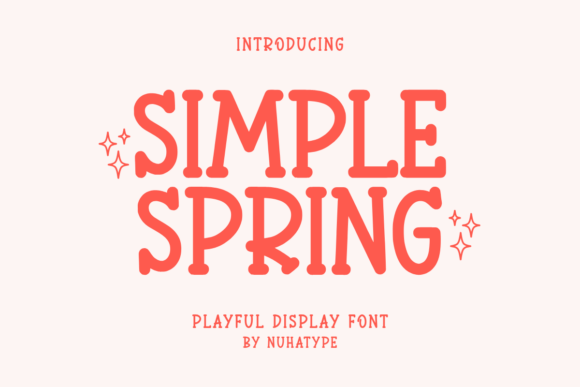
There’s a particular feeling you get when you see a design that feels human. It’s not the polished perfection of a corporate report, but the warm, approachable vibe of a handwritten note on a friend’s kitchen counter. Capturing that feeling in a digital project is a challenge many creators face. You want your work to feel personal and genuine, yet still clean and professional. This is the exact space where a typeface like Simple Spring thrives. It’s an elegantly minimalist, thin sans serif font that mirrors the charm of natural handwriting, offering a bridge between the casual and the crafted.
A Typeface That Feels Like a Conversation
What sets Simple Spring apart is its delicate balance. It’s a sans serif font, which means it lacks the small strokes at the ends of letters, contributing to its clean, modern silhouette. Yet, its slight imperfections and gentle flow give it the soul of a handwritten font. This isn’t the bold, in-your-face script of a heavy marker; it’s the light, confident line of a fine-tipped pen. This quality makes it incredibly versatile. It can bring a simplistic allure to a wide array of projects, from the intimate pages of a personal journal to the public face of a brand on social media.
Think about the projects where personality is paramount. For creators designing planners, interior KDP books, or digital products, Simple Spring adds a layer of authenticity that stock fonts often miss. It makes bullet points feel like personal notes and headers feel like gentle invitations. For crafters using Cricut machines, its clean lines ensure precise cutting for stickers, labels, and decals on tumblers, mugs, and tote bags. The font’s understated touch doesn’t overwhelm the craft; it complements it, allowing the material and the design to speak in harmony.
From Brand Identity to Social Media Graphics
For small business owners and entrepreneurs, building a brand identity is about telling a cohesive story. Simple Spring can be a powerful tool in that narrative, especially for brands that want to convey approachability, creativity, and mindfulness. Imagine a boutique skincare company using it for packaging design—the thin, elegant lettering on a minimalist label suggests purity and care. Or picture a local café using it for menu boards and social media posts; the font’s friendly demeanor makes customers feel welcome before they even walk through the door.
In the realm of logo design, Simple Spring works beautifully for businesses that want to avoid a cold, corporate aesthetic. A yoga studio, a handmade jewelry brand, or a freelance photographer could use it to create a mark that feels personal and bespoke. Its readability at various sizes makes it adaptable for everything from a website header to a small icon. Pair it with a simple geometric shape or a subtle icon, and you have a logo that is both memorable and meaningful.
The digital landscape demands versatility, and this creative font delivers. For social media graphics, it cuts through the noise with its elegant simplicity. It’s perfect for quote graphics, Instagram story templates, and Pinterest pins. The text remains clear and engaging, even on small mobile screens, helping to boost audience engagement. When used for web design and blogs, it can create a warm, readable experience for long-form content, guiding the reader’s eye without causing fatigue. It’s a premium font that feels accessible.
Practical Considerations for Your Projects
Choosing the right font is a practical decision as much as an aesthetic one. Before integrating Simple Spring into your workflow, consider a few key points to ensure it aligns with your project goals.
Font Pairing is Your Best Friend. Simple Spring shines when paired thoughtfully. Its delicate nature means it shouldn’t be the sole workhorse for large blocks of text where maximum readability is critical. Use it for headlines, pull quotes, or short descriptive text. Pair it with a highly legible, neutral serif or sans serif font for body copy. For example, a classic serif like Garamond or a clean sans serif like Open Sans can provide excellent contrast and hierarchy, making your layout both beautiful and functional.
Test for Readability in Context. Always test the font in the environment where it will be used. How does it look on a printed planner page versus a phone screen? Does the thin stroke weight hold up on textured tote bag fabric or glossy mug surfaces? For merchandise and physical products, you may need to adjust the size or even explore a slightly bolder weight if one is included. Check the font’s licensing to ensure it covers your intended commercial use, especially if you’re selling products featuring the typography.
Leverage Its Strengths for Specific Assets. Think about the marketing assets where Simple Spring’s personality can truly elevate the message. It’s ideal for invitations, thank you cards, and editorial layouts for lookbooks or magazines. Its handwritten quality adds a personal touch to packaging design, making a product feel like it was crafted with care. For print materials like posters or flyers for a workshop or community event, it communicates a friendly, inclusive vibe.
Ultimately, Simple Spring is more than just a set of letters. It’s a design asset that helps bridge the gap between professional polish and human connection. It allows you to infuse your projects with a sense of warmth and authenticity, whether you’re building a brand from the ground up or adding a final, personal touch to a creative piece. By understanding its character and applying it thoughtfully, you can transform ordinary designs into extraordinary expressions that resonate on a deeper level.