Stylist Writing: Capturing Holiday Magic in Your Typography
There’s a particular feeling that comes with the holiday season—a warmth that fills the air, a sense of nostalgia, and a touch of whimsy. As designers, entrepreneurs, and creators, we often strive to capture that intangible spirit in our work. While imagery and color palettes play a huge role, the typography you choose can be the secret ingredient that truly evokes that festive, heartfelt emotion. This is where a font like Stylist Writing shines, offering a direct line to that cheerful, enchanting ambiance.
More Than Just a Festive Font
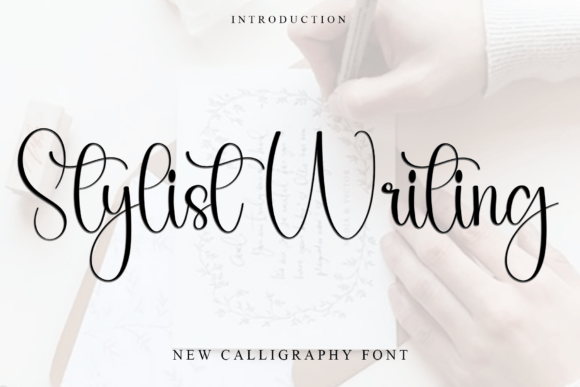
At first glance, Stylist Writing is a beautifully crafted display typeface with a distinctly merry personality. Its decorative elements and flowing, handwritten script style are immediately evocative of holiday cards, gift tags, and celebratory announcements. But its utility extends far beyond December. Think of any project that calls for a personal, whimsical, or nostalgic touch—a boutique bakery’s branding, a wedding invitation suite, a children’s book cover, or the logo for a craft studio. This font carries a versatility that, when used thoughtfully, can add significant character to a wide array of creative endeavors.
The true power of a premium font like this lies in its details. Often, high-quality script and display fonts come with a rich set of OpenType features. With Stylist Writing being PUA encoded, you have straightforward access to a wealth of alternate characters, ligatures, and swashes. This isn't just a technical perk; it's a practical design tool. It allows you to customize the lettering, ensuring it feels unique to your project and avoids that "off-the-shelf" look. You can craft a logo or headline that has a truly hand-lettered, bespoke quality.
Practical Applications for Real-World Projects
Let’s move beyond the abstract and consider where a typeface with this personality can be effectively deployed. The goal is always to match the font’s voice to the project’s message.
- Branding & Logo Design: For businesses that want to communicate warmth, creativity, and approachability—a local coffee shop, a handmade goods store, a family-run bakery—a font like Stylist Writing can form the core of a memorable wordmark. It instantly tells a story of craftsmanship and care.
- Packaging Design: Imagine this script on the label of a artisanal jam, a candle, or a gourmet hot chocolate mix. It elevates the product from a simple item to a gift-worthy experience, justifying a premium presentation and connecting emotionally with the buyer.
- Invitations & Print Materials: This is its most natural habitat. Wedding invitations, baby shower announcements, milestone birthday cards, and event posters all benefit from a typeface that feels celebratory and personal. It sets the tone before a single word is read.
- Digital Presence: Use it strategically on websites and blogs for impactful headers, section titles, or featured quotes. It can break up the monotony of body text (which should always prioritize readability with a clean serif or sans serif font) and add a splash of personality. For social media graphics, it’s perfect for creating eye-catching Instagram stories, quote images, or promotional banners that stop the scroll.
- Merchandise & Digital Products: Think of t-shirts, tote bags, mugs, or digital planners and greeting card templates. A charming script font adds commercial appeal and a sense of artistry to products meant for sale or personal use.
Integrating a Display Font with Your Brand Identity
Adopting a stylistic font is not about replacing your entire typographic system. It’s about strategic enhancement. The key to using a decorative typeface effectively is contrast and hierarchy. Your brand’s primary workhorse font—likely a highly readable sans serif or serif for body copy—provides stability and clarity. Stylist Writing, or a similar creative font, acts as the accent. It’s the equivalent of a beautiful piece of statement jewelry in an outfit; it draws the eye and expresses flair without overwhelming the entire look.
This approach directly improves your visual consistency. By defining clear rules—such as "use the script font only for main headlines and call-to-action phrases"—you create a recognizable and professional system. This consistency is what builds brand recognition. Your audience will begin to associate that specific, cheerful typographic style with your brand’s personality, whether they see it on a social post, a product package, or your website’s homepage.
Making Smart Typographic Choices
Before you dive in, a little practical advice can ensure success. First, always consider readability. A font like Stylist Writing is best suited for short, impactful text—titles, logos, pull quotes. Setting an entire paragraph in a highly decorative script will frustrate readers. Its strength is in display, not in dense information.
Second, test your font pairings rigorously. The goal is harmony, not competition. Pair your whimsical script with a neutral, geometric sans serif for a modern and clean look. For a more classic or elegant feel, try it with a traditional serif font. The contrast should be clear and pleasing to the eye, with the script naturally taking the role of the focal point.
Finally, understand what you’re getting. Review the full character set of the font you’re considering. Does it include the numbers, punctuation, and multilingual characters you need? Are the alternate glyphs and ligatures easy to access? For any project with commercial intent, verifying the license is non-negotiable. Ensure the font’s license explicitly permits commercial use for your specific application, whether it’s for client work, merchandise, or digital products.
Choosing the right typography is a fundamental part of visual communication. A font like Stylist Writing offers a specific, joyful voice. When you deploy it with intention—understanding its personality, its ideal use cases, and how it complements your broader design system—you’re not just picking a pretty font. You’re investing in a design asset that can help tell a more compelling story, create a stronger emotional connection, and ultimately, make your work more memorable and effective. Let your typography carry the mood you envision.