Simple Fonts: A Modern Script with Classic Elegance
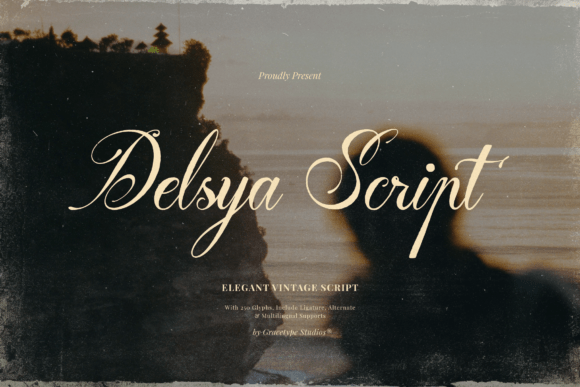
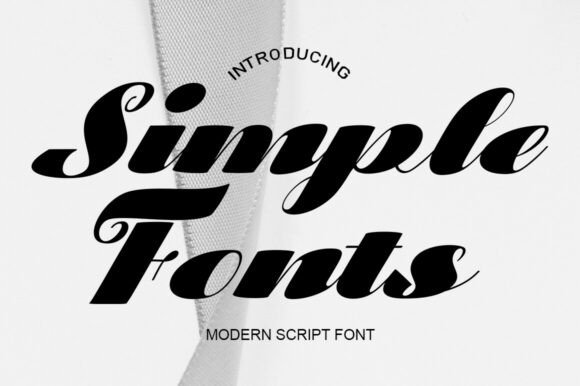
Every designer hits that wall. You have a beautiful concept for a wedding invitation, a high-end product label, or a boutique logo, but the standard script fonts feel either too stuffy or too casual. You need that sweet spot—something with the timeless grace of classic calligraphy but with a clean, contemporary finish that doesn't look like it belongs on a historical document. This is precisely where Simple Fonts enters the conversation. It is an elegant modern script display typeface that captures the sophistication of copperplate script while stripping away the clutter, leaving you with a font that feels luxurious, feminine, and incredibly versatile.
The visual appeal of this typeface lies in its balance. It avoids the jagged, aggressive edges of some modern hand-lettering, yet it doesn't have the rigid, stiff formality of traditional corporate scripts. Instead, Simple Fonts offers smooth, clean letterforms that flow naturally into one another. The connections between letters are designed to be luxurious yet legible, ensuring that your text remains easy to read even when used for longer sentences. Whether you are designing a wedding card or creating a header for a lifestyle blog, the font manages to command attention without overwhelming the viewer. It strikes a chord with audiences who appreciate high-end aesthetics, making it a powerful tool for anyone looking to add a touch of glamour to their visual identity.
The Anatomy of an Elegant Display Typeface
Understanding what makes Simple Fonts work visually helps you use it more effectively. At its core, it is a display font, meaning it is optimized for headlines, logos, and short bursts of text rather than body copy. However, its legibility is surprisingly high for a script, thanks to the meticulous spacing and clean curves.
One of the standout features of this premium font is the inclusion of stylistic alternates and ligatures. In typography, a ligature is when two or more letters are joined together to form a single character. In scripts like this, ligatures are essential for creating a natural, handwritten look. If a standard "o" followed by a "w" looks awkward, a ligature provides a smoother, more connected transition. Simple Fonts includes a variety of these, allowing you to manually explore and swap out letters to create a truly custom look for your headings. This prevents the "cookie-cutter" effect that happens when everyone uses the same font in the exact same way.
Furthermore, the font supports multiple languages and utilizes OpenType features. This is a technical way of saying the font is smart. It can automatically swap in different letter shapes depending on the context to ensure the flow looks natural. For a designer, this means less time manually kerning and adjusting and more time focusing on the overall composition of the piece.
Practical Applications for Branding and Business
For entrepreneurs and small business owners, choosing the right typeface is a critical part of building a brand identity. You want a font that communicates your values instantly. Simple Fonts is particularly effective for industries that rely on aesthetics, trust, and a personal touch.
Consider the world of fashion branding or makeup packaging. These markets are saturated, and consumers often judge a product by its label before they ever read the ingredients. Using a script font like Simple Fonts on a serum bottle or a clothing tag immediately signals luxury and care. It suggests that the product is crafted with attention to detail. Similarly, for stationery and book covers, this font provides the sophistication needed to stand out on a shelf or in an online store.
It also shines in the hospitality industry. If you are designing a restaurant menu for a bistro or a café, this font can evoke the feeling of a handwritten chef's special. It feels personal and inviting, which is exactly the atmosphere most dining establishments want to cultivate. The same logic applies to greeting and wedding cards; the font’s elegant connections mimic the flow of a skilled calligrapher, adding a romantic and bespoke feel to the stationery.
Integrating Simple Fonts into Digital and Print Media
While the font has a traditional feel, it is perfectly suited for modern digital products and web design. In the realm of social media graphics, grabbing attention in a split second is vital. A bold, elegant header written in Simple Fonts can stop the scroll on Instagram or Pinterest. It works beautifully for quote graphics, sale announcements, or headers for digital magazines.
When it comes to editorial design, such as magazines or blog layouts, this typeface is best used for pull quotes or section headers. Because it is a display typeface, pairing it correctly is crucial for readability. You wouldn't want to write a whole blog post in Simple Fonts, as the eye needs a rest from the complex curves of a script. Instead, use it to break up text and draw the reader's eye to specific areas.
For marketing assets like posters or flyers, the font’s versatility allows it to adapt to the color palette and imagery surrounding it. Whether the background is a minimalist white space or a busy, textured image, the clean lines of Simple Fonts ensure the message remains legible. It is a creative font that bridges the gap between handwritten font warmth and professional modern typography.
Mastering Font Pairings and Readability
One of the most common mistakes in design is using a single font family for everything. To make Simple Fonts truly pop, you need to master the art of font pairing. Because Simple Fonts is a high-contrast, feminine script, it pairs exceptionally well with clean, geometric sans serif fonts.
Imagine a logo where "The Boutique" is written in Simple Fonts, but the establishment date "Est. 2024" is written in a simple, all-caps sans serif below it. The contrast between the ornate script and the industrial simplicity of the sans serif creates visual interest and hierarchy. The script draws the eye, while the sans serif provides the supporting information clearly.
You can also pair it with a light-weight serif font for a more editorial, high-fashion look. The key is to avoid pairing it with other decorative fonts, which can look chaotic and unprofessional. When testing your pairings, pay close attention to x-heights (the height of the lowercase letters). You want the body text to be easy to read at smaller sizes, while the Simple Fonts display text remains the star of the show at larger sizes.
Unlocking the Full Potential of the Glyph Set
When you purchase a commercial font like Simple Fonts, you are getting more than just the standard A-Z alphabet. You are getting a toolkit. To get the best results, you should manually explore the glyph panel in your design software (like Adobe Illustrator, Photoshop, or InDesign).
You will likely find different versions of capital letters. Some might have extra swashes—those decorative tails that extend from the letterforms. For a logo, you might want to use a capital letter with a sweeping swash to frame the rest of the word. However, for a subtitle on a product packaging design, you might want a simpler version of that same letter to ensure it doesn't clash with the adjacent characters.
Don't be afraid to mix and match. Use the "Stylistic Alternates" to change the look of specific letters to avoid repetition. This level of customization is what separates amateur designs from professional logo design. It allows you to tailor the typography to the specific shape and space of your project, ensuring a perfect fit every time.
A Tool for the Modern Creative
Ultimately, Simple Fonts is more than just a collection of vector points; it is a communication tool. It allows content creators, designers, and marketers to convey a specific mood—instantly. It bridges the gap between the classic elegance of the past and the clean requirements of modern digital interfaces.
Whether you are a hobbyist scrapbooker looking to add a special touch to a family album, or a professional agency designing a global campaign for a cosmetics brand, this typeface offers the flexibility you need. It respects the principles of visual consistency and brand recognition while offering the creative freedom to experiment. By leveraging its OpenType features, exploring its alternates, and pairing it wisely with contrasting typefaces, you can ensure your next project not only looks beautiful but also communicates your message with clarity and class.