Kindel: A Modern Sans Serif with Warmth and Balance
Imagine a font that feels like a confident handshake—firm but friendly, modern but not cold. That’s the impression Kindel, a contemporary sans serif typeface, aims to create. In a world saturated with stark, geometric fonts and overly playful scripts, finding a typeface that balances professionalism with genuine warmth can feel like a small victory for any designer or brand builder. Kindel enters this space with smooth curves and a gentle geometry that avoids harsh angles, resulting in a character set that’s both approachable and highly functional. It’s this unique blend of calm elegance and subtle personality that makes it more than just another sans serif font; it’s a tool for crafting visual identities that connect on a human level.
More Than Just Letters: The Visual Character of Kindel
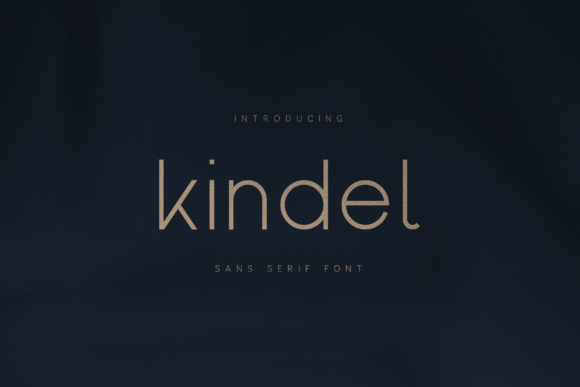
At its core, Kindel is an elegant modern sans serif font designed with intention. Its creators focused on achieving a sense of warmth, balance, and subtle character. This isn't achieved through flashy details, but through refined subtlety. The strokes have a gentle contrast—thicker and thinner parts that give the letters a rhythmic, almost organic flow, preventing the monotony some monoline sans serifs can fall into. The letterforms themselves feature smooth curves and open apertures (the spaces inside letters like ‘c’ or ‘e’), which significantly enhance readability, especially at smaller sizes or on screen.
This refined stroke contrast and careful spacing create a calm, friendly appearance. It doesn’t shout for attention, but it holds it. Think of it as the typographic equivalent of a well-designed, comfortable chair—it looks good and serves its purpose perfectly. For a brand identity, this means your typography can convey reliability and modern sensibility without sacrificing approachability. It’s a premium font that works quietly in the background, elevating the entire design without overpowering the content.
Where Kindel Shines: Practical Applications for Real Projects
The true test of any design asset is its versatility. Kindel’s strength lies in its adaptability across a wide spectrum of creative and commercial projects. Its contemporary yet timeless feel makes it a reliable workhorse.
For branding and logo design, Kindel offers a solid foundation. A logo set in Kindel can feel established and trustworthy for a consultancy, while also appearing fresh and innovative for a tech startup. Its clarity ensures the brand name remains legible across all sizes, from a tiny favicon to a large storefront sign.
In editorial design and packaging design, its readability is a major asset. Imagine a cookbook with chapter titles set in Kindel Bold, creating a welcoming header, or a skincare product line where the clean typography on the box communicates purity and quality. For social media graphics, the font’s friendly demeanor helps stop the scroll. It pairs beautifully with imagery for Instagram carousels or Pinterest pins, delivering a message clearly and stylishly. As a web font, it ensures a seamless reading experience on blogs, portfolio sites, and marketing materials, maintaining visual consistency from the homepage to the checkout page.
Beyond the digital realm, Kindel transitions effortlessly into print. Think posters for a community event, elegant invitations for a gallery opening, or clean business cards for a freelance photographer. Its versatility even extends to merchandise—a tote bag or a coffee mug with a witty phrase set in Kindel feels thoughtfully designed, not just printed.
Achieving Visual Harmony: Using Kindel in Your Design System
Adopting a new typeface is about more than just liking how it looks in isolation; it’s about how it functions within your broader visual language. Kindel’s family typically includes a range of weights—from a delicate Light to a sturdy Bold, and often italics. This variety is crucial for creating a hierarchy in your designs.
Use the lighter weights for body text or subtitles to maintain an airy, readable feel. Reserve the bolder weights for headlines and pull quotes to create impact and guide the viewer’s eye. This approach builds visual consistency across all your materials, strengthening brand recognition. A customer should be able to recognize your Instagram post, your website header, and your product label as coming from the same brand, and consistent typography is a key driver of that recognition.
Font pairing is where you can add further dimension. Kindel’s balanced, neutral personality makes it an excellent companion to a wide range of other fonts. For a touch of classic elegance, pair it with a refined serif font for long-form articles or formal invitations. To inject a bit of organic, handcrafted feel, combine it with a tasteful script font or handwritten font for accents like quotes or subheadings. The key is to let Kindel handle the core messaging with its clarity, while the secondary font adds a layer of stylistic contrast.
Practical Considerations Before You Commit
Before integrating any new commercial font into your workflow, a few practical steps ensure a smooth experience. First, always test the font in context. Download the trial files if available and set real text from your project—your actual headlines, your product descriptions, your “About Us” paragraph. View it on different screens and, if possible, print a sample. How does it feel with your color palette? Does it maintain its character when used for digital products like PDFs or e-books?
Next, scrutinize the included font styles. Does the family provide enough weight variation for your needs? Check the character set for essential glyphs, such as special punctuation, currency symbols, and diacritics if you work in multiple languages. A robust premium font will include these details.
Finally, understand the licensing. For creative entrepreneurs and small business owners, this is critical. Ensure the license covers your intended use—whether it’s for a single client project, for your own business’s unlimited commercial use, or for embedding in a digital product you sell. Reputable foundries are clear about their terms, giving you peace of mind to use the font across all your marketing assets and creative projects.
In the end, choosing a font like Kindel is a decision to invest in clarity and connection. It’s a tool that doesn’t just display words but helps shape the feeling behind them. Whether you’re a designer crafting a visual identity, a content creator