Coquette Ribbons: Weaving Realistic Satin Texture Into Your Designs
There’s a specific moment in design when a project stops looking assembled and starts feeling crafted. It usually happens when texture meets intention—when a digital asset carries the weight and nuance of something physical. For anyone working within the modern coquette aesthetic, or leaning into the "Old Money" elegance that dominates current branding, achieving that tactile quality in typography is the difference between a flat graphic and a compelling visual story. Enter the Coquette Ribbons typeface, a creative font that moves beyond standard vector shapes to simulate the intricate folds, slits, and layering of actual satin fabric.
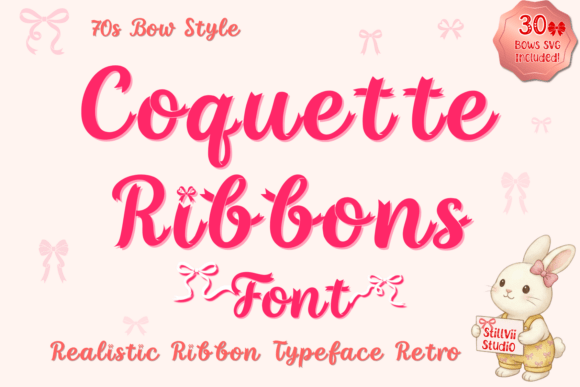
Unlike traditional script fonts that rely on static curves, Coquette Ribbons is engineered to mimic the physics of fabric weaving. The letters feature realistic shadows and highlights that suggest a ribbon actually threading over and under itself. This isn't just a novelty; it’s a strategic design asset. When you are building a brand identity for a boutique, a high-end wedding invitation, or a "Self-Love Club" apparel line, the texture of your typography sets the emotional tone. Flat sans serif fonts communicate efficiency and modernity, but a font like Coquette Ribbons communicates luxury, softness, and intricate detail. It bridges the gap between digital precision and handcrafted charm, offering a specific visual vocabulary that resonates deeply with audiences looking for authenticity and style.
The Anatomy of a High-End Display Font
To understand why this typeface works so well for specific markets, we have to look at the construction of the letters. In typography, we often distinguish between serif and sans serif fonts for body copy, but display fonts are the showstoppers used for headlines and logos. Coquette Ribbons falls firmly into the premium font category because of its complexity. The design includes "ribbon slits"—tiny negative spaces within the letterforms that prevent the design from looking like a solid block of color. This attention to detail ensures that even when scaled up for large format printing, like posters or signage, the illusion of fabric holds up.
However, this complexity comes with a technical consideration that designers must respect. Because the font simulates intricate weaving, it creates very fine cut lines. For digital applications—sublimation, web design, and social media graphics—this is perfect. It renders beautifully on screen. But for physical production methods like vinyl cutting or laser engraving, those fine details can become problematic. A vinyl cutter might struggle with the tiny negative spaces, potentially tearing the material. Therefore, while the font is a powerhouse for digital branding and print-on-demand merchandise, it requires a specific workflow for physical crafting. It is best suited for sublimation printing or direct-to-garment methods where fine line fidelity is preserved, rather than stencil-based cutting.
Strategic Applications: From Branding to Packaging
Finding the right application for a font with this much personality is key. You wouldn't use Coquette Ribbons for a paragraph of body text; it is designed to be the focal point. Here is how you can deploy this typeface to elevate your creative projects and business assets.
- Logo Design and Brand Identity: For boutique businesses—think lingerie brands, bespoke jewelry designers, or high-end bakeries—a logo needs to convey the tactile experience of the product. Coquette Ribbons acts as an immediate visual shorthand for quality and softness. It pairs exceptionally well with a clean, minimalist sans serif font for the sub-headings, ensuring the brand remains readable while maintaining its unique voice.
- Packaging Design: In the world of e-commerce, the unboxing experience is part of the product. Using this typeface on tissue paper prints, sticker seals, or box inserts reinforces the luxury feel. The realistic texture adds a layer of perceived value to the physical product before the customer even sees the item inside.
- Editorial and Layout Design: If you are working on a magazine spread, a lookbook, or a blog header, this font provides a striking contrast to standard editorial typography. It draws the eye immediately, making it ideal for drop caps or pull quotes in lifestyle publications focused on fashion, weddings, or beauty.
- Digital Products and Marketing: For those selling digital assets or courses, visual distinctiveness helps with brand recognition. Using Coquette Ribbons in your social media graphics or lead magnet headers ensures your content is instantly recognizable in a crowded feed. It fits perfectly with the "coquette" and "balletcore" trends dominating platforms like Pinterest and Instagram.
Mastering Font Pairings and Visual Hierarchy
One of the most common mistakes in design is using two competing fonts. When you have a display font as ornate as Coquette Ribbons, your secondary font needs to be supportive, not competitive. The goal is to create a visual hierarchy where the "ribbon" font grabs attention, and the supporting text provides the necessary information without causing visual fatigue.
A practical approach is to pair the Coquette Ribbons typeface with a geometric sans serif or a clean serif font. For example, a font like Montserrat or Lato offers a neutral structure that grounds the whimsical nature of the ribbon texture. If you prefer a serif pairing, look for something with high contrast and sharp edges, like Playfair Display, to maintain that "Old Money" sophistication. Avoid pairing it with other handwritten or script fonts, as this will make the design look chaotic and illegible.
Furthermore, consider the context of your text. If you are designing a wedding invitation, the names of the couple might be in Coquette Ribbons, while the venue and time details are in a legible serif. If you are designing merchandise, like a t-shirt for a "Self-Love Club," the main slogan uses the ribbon effect, but any accompanying text (like a website URL) should be simple block text. This balance ensures that your design is not only beautiful but functional.
Maximizing the Bonus Assets
A significant feature of this design package is the inclusion of matching SVG ribbon bows. In design, consistency is king. When you use a font that has a specific texture or style, finding graphics that match that exact aesthetic can be difficult. Stock ribbon vectors often look too generic or have a different lighting direction, which breaks the realism of the design.
By using the included hand-drawn bows, you can create cohesive compositions without hours of manual editing. These assets are particularly useful for sticker shop owners or digital scrapbook creators. You can place a bow at the tail of a letter, use them as decorative bullet points in a menu, or scatter them as background elements to create a "patterned paper" effect. Since these are provided in SVG and PNG formats, they retain their quality regardless of scaling, allowing you to use them in everything from small planner stickers to large wall art.
Navigating the Coquette Aesthetic in Commercial Work
The "coquette" aesthetic is more than just a passing trend; it represents a shift toward romanticism and softness in commercial design. It appeals to a demographic that values self-expression, nostalgia, and curated beauty. For business owners, tapping into this visual language requires more than just pink colors—it requires typography that embodies the theme.
When utilizing Coquette Ribbons for commercial projects, always ensure you are adhering to the licensing terms provided with the font. Most premium fonts allow for extensive use, but it is the responsibility of the designer to verify that the usage covers merchandise sales or large-scale advertising if that is the intent. Additionally, because this font is so stylistically specific, it is wise to use it for campaigns or seasonal branding where a strong, distinct mood is desired. It may not be the best choice for a corporate annual report, but for a holiday gift guide or a Valentine's Day marketing push, it is an unmatched tool.
Ultimately, typography is about communication. While words convey the message, the font conveys the feeling. Coquette Ribbons offers a way to communicate luxury, care, and intricate beauty. By integrating it thoughtfully into your design toolkit, you can transform standard projects into memorable visual experiences that resonate with your audience's desire for elegance and charm.