Capture the Spirit of the Frontier with Wild West Wanted
There is a distinct feeling that washes over you when you look at vintage wanted posters and old saloon signage. It’s a mix of grit, adventure, and boldness that modern design often struggles to capture with clean, minimalist sans-serifs. If you are working on a project that demands attention and needs to channel the untamed energy of the American frontier, you need more than just a standard typeface. You need a typeface with a story. Enter Wild West Wanted, a display slab serif font that doesn't just sit on the page—it gallops across it.
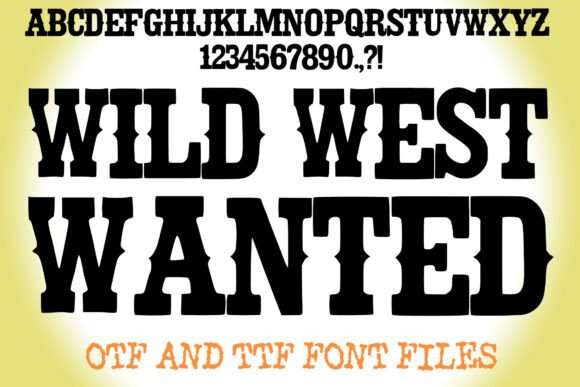
This font is designed for creators who aren't afraid to be loud. With its thick slab serifs and high-contrast letterforms, it channels the visual language of the 19th-century West. However, this isn't just a novelty font for Halloween parties or cowboy costumes. It is a precision tool for designers, entrepreneurs, and marketers looking to inject a heavy dose of nostalgia and assertiveness into their visual communication. Whether you are a small business owner trying to build a rugged brand identity or a graphic designer crafting a movie poster, understanding how to wield this typeface can completely transform your project.
More Than Just a Cowboy Font: The Visual Anatomy
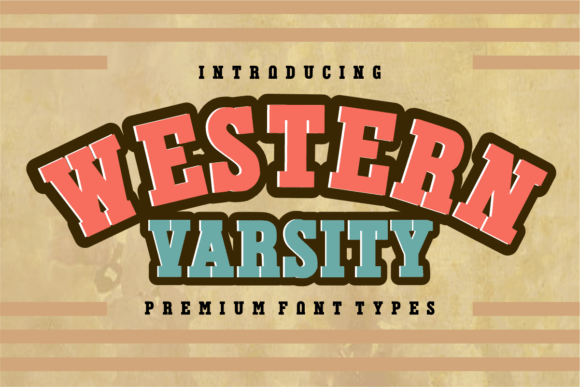
At first glance, you might categorize this as a "western font," but its technical construction sets it apart from generic alternatives. The defining feature of Wild West Wanted is its chunky silhouette and exaggerated width. The characters take up space unapologetically. The stems feature sharply indented cuts, a design choice that mimics the wear and tear of wood type blocks or the harsh ink bleeds of letterpress printing.
This visual drama is crucial for modern branding. We live in an era of digital noise where consumers scroll through endless feeds of content. To stop that scroll, you need high-impact visuals. The high contrast in this typeface ensures that even at a glance, the text is read as an "event." It commands the viewer to pause. Yet, unlike some distressed fonts that sacrifice legibility for style, this display font maintains clarity. The letter spacing and structural balance have been fine-tuned so that the assertiveness of the design doesn't compromise the message. It is a perfect blend of vintage aesthetics and modern functionality.
Practical Applications for Modern Creators
You don’t need to be designing a rodeo flyer to find value in a premium font like this. The versatility of a strong slab serif lies in its ability to anchor a design. Here is how different professionals can apply this font to their specific workflows:
- Brand Identity and Logo Design: For businesses in the craft beverage, outdoor gear, or artisan food industries, this font serves as a cornerstone for logo design. It communicates durability, tradition, and authenticity. It pairs exceptionally well with a rough script font or a clean sans-serif to create a balanced lockup.
- Packaging Design: Shelf presence is everything. If you are selling BBQ sauce, hot sauce, or craft beer, the typography needs to scream "flavor" before the customer even reads the ingredients. The bold nature of Wild West Wanted creates an immediate focal point on packaging.
- Merchandise and Apparel: T-shirt design and hat branding thrive on strong typography. This font has the "street appeal" necessary for apparel because it looks good as a standalone graphic element.
- Social Media Graphics: In the fast-paced world of Instagram and TikTok, text overlays on thumbnails and quote cards need to be punchy. Using a bold display font ensures your text remains legible even on small mobile screens.
- Editorial and Web Design: While not for body text, it is a powerhouse for headlines and pull quotes in blogs or magazine layouts. It adds a layer of storytelling to the design, setting the mood for the content that follows.
Strategic Typography: Improving Recognition and Engagement
Choosing a font is rarely just about aesthetics; it is a strategic business decision. Typography is the voice of your brand. When you choose a font with this much personality, you are making a statement about who you are. By utilizing Wild West Wanted, you can significantly improve several key metrics in your design and marketing efforts:
First, it enhances brand recognition. Because the typeface has such a distinct character, it becomes memorable. People will associate that specific style of lettering with your brand. Second, it boosts audience engagement. A unique, thematic font can evoke an emotional response—nostalgia, excitement, or curiosity—that a standard Arial or Helvetica simply cannot trigger. This emotional connection is the bridge between a passive viewer and an active customer.
Furthermore, using a cohesive set of typography helps with visual consistency. When your website headers match the vibe of your packaging and your social media graphics, you build a professional presentation that fosters trust. Customers perceive brands with consistent, high-quality design assets as more reliable and established.
Mastering the Pairing: Practical Advice for Designers
One of the biggest mistakes creatives make with display fonts is overuse. Because Wild West Wanted has such a heavy visual weight, using it for an entire paragraph would be overwhelming and difficult to read. It is designed for impact, not for long-form reading. Therefore, mastering font pairing is essential.
The goal is to create a hierarchy. You want the "Wild West" vibe to lead, but it needs a supporting cast. Here are a few practical tips for testing your pairings:
- Contrast is King: Pair this bold slab serif with a clean, geometric sans-serif font. The simplicity of the sans-serif will allow the details of the display font to shine without competing for attention. This is a classic approach for web design and editorial layouts.
- The Handwritten Touch: For a more rustic, authentic feel, consider pairing it with a handwritten or script font. This mimics the look of an old letter or a personal note, perfect for wedding invitations or artisan branding.
- Scale Matters: Let the display font be the hero. Use it for the main headline (H1) or the logo. Use your secondary font for sub-headlines and body copy.
- Review the Styles: Before finalizing your design, check if the font family includes different weights or styles. Sometimes, using a condensed or lighter version of the same font family for sub-text can maintain the theme while providing necessary contrast.
Always test your designs in context. A font that looks great on a poster might lose its punch on a small mobile screen. Zoom in and out to ensure the "sharply indented stems" and serifs don't blur or create visual noise at smaller sizes.
Final Thoughts on Your Creative Asset Library
In the world of design assets, a high-quality font is one of the best investments you can make. It is a reusable tool that can breathe life into dozens of different projects over time. Wild West Wanted offers a specific flavor of modern typography that bridges the gap between history and contemporary design.
When you download a premium font like this, take a moment to review the commercial licensing terms. Ensure that your license covers your intended use, whether that is for physical merchandise, digital products, or client work. Respecting these guidelines is part of being a professional creative.
Ultimately, great design is about communication. If your message is about adventure, strength, tradition, or boldness, your typography should reflect that. This slab serif font provides the rugged charm necessary to tell that story effectively. It doesn't just decorate the page; it defines the narrative. For designers and entrepreneurs ready to make a lasting impression, saddling up with this typeface is a step in the right direction.